

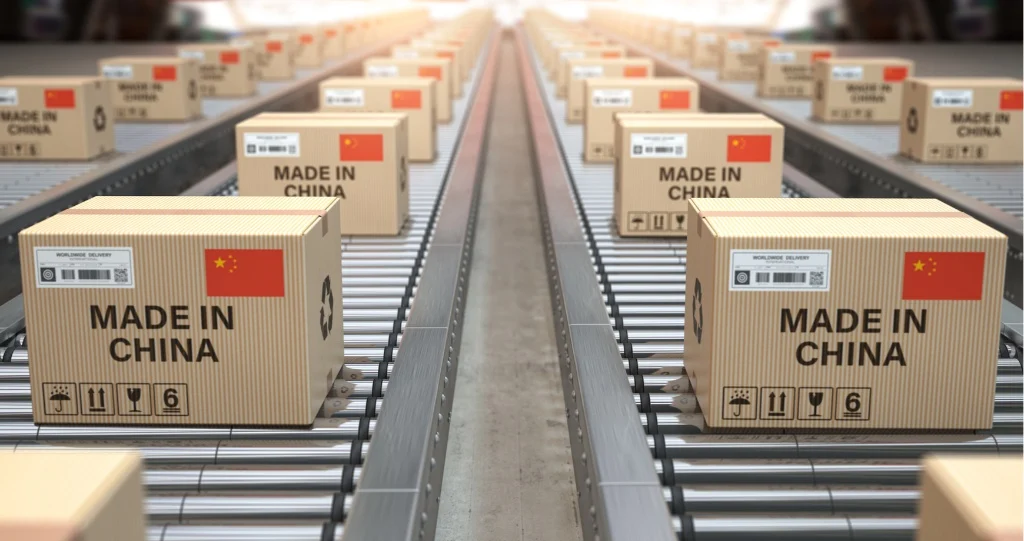
Outsourcing product manufacturing to China has become a popular strategy for businesses worldwide. With its vast industrial infrastructure, competitive pricing, and extensive supply chain network, China offers immense opportunities for companies looking to bring products to market efficiently.
However, outsourcing isn’t without its challenges — language barriers, quality control issues, intellectual property risks, and logistical complexities can all pose significant hurdles. Whether you’re launching a startup or expanding an existing business, here are essential tips to help you navigate the process of outsourcing products from China successfully.
- Define Your Product Clearly
Before reaching out to manufacturers, it’s crucial to have a clear and detailed product specification. This includes:
Technical drawings or CAD files
Material requirements
Dimensions and tolerances
Packaging and labeling instructions
Any certifications needed (e.g., CE, FCC, RoHS)
The more precise your documentation, the easier it will be to communicate with Chinese suppliers and avoid costly misunderstandings.
- Research and Vet Suppliers Thoroughly
China is home to millions of manufacturers, so finding one that matches your needs requires careful research. Here’s how to vet potential suppliers effectively:
Use Trusted Platforms : Start your search on platforms like Alibaba, Made-in-China, or Global Sources.
Check Supplier Ratings and Reviews : Look at transaction history, response rates, and feedback from other buyers.
Request Samples : Always ask for physical samples before placing a large order. This helps assess quality firsthand.
Verify Credentials : Use third-party services like Alibaba Trade Assurance or hire a sourcing agent to verify the supplier’s legitimacy.
- Communicate Effectively
Language and cultural differences can lead to miscommunication. To mitigate this:
Use simple, clear English when communicating.
Supplement verbal communication with visual aids like diagrams, photos, and videos.
Consider hiring a bilingual sourcing agent or translator.
Schedule calls at mutually convenient times to respect time zones.
- Negotiate Terms Carefully
When negotiating with Chinese suppliers, keep these points in mind:
Minimum Order Quantities (MOQs) : Negotiate MOQs that align with your budget and demand forecasts.
Payment Terms : Avoid paying 100% upfront. A common structure is 30% deposit, 70% before shipping.
Lead Times : Confirm production and shipping timelines to manage expectations.
Warranty and Returns : Clarify policies for defective items or incorrect orders.
- Implement Quality Control Measures
Quality control is one of the most critical aspects of outsourcing to China. Don’t rely solely on the supplier’s word.
Factory Audits : Visit the factory in person or hire a third-party inspection company (like SGS, Bureau Veritas, or QIMA) to conduct audits.
Pre-Shipment Inspections : Perform inspections before goods are shipped to catch defects early.
Create a Quality Checklist : Define acceptable quality standards and share them with both the supplier and inspector.
- Protect Your Intellectual Property (IP)
China does not automatically protect foreign IP. To safeguard your designs and brand:
Register Trademarks and Patents in China before sharing sensitive information.
Use NNN Agreements : Sign Non-Disclosure, Non-Use, and Non-Circumvention agreements with suppliers.
Avoid Overexposure : Only share necessary details until trust is established.
- Understand Logistics and Import Requirements
Shipping products from China involves several steps:
Choose between sea freight (cost-effective for bulk orders) or air freight (faster but more expensive).
Understand Incoterms (e.g., FOB vs CIF) to clarify who bears shipping and insurance costs.
Factor in customs duties, taxes, and import regulations in your home country.
Work with a reliable freight forwarder to handle documentation and delivery.
- Build Long-Term Relationships
A successful partnership with a Chinese manufacturer often hinges on long-term collaboration. Building trust and maintaining open communication can lead to better pricing, priority service, and innovation support.
Maintain regular contact.
Provide constructive feedback.
Be transparent about your business goals.
Show loyalty by increasing order volumes over time.
- Consider Hiring a Local Agent or Sourcing Company
If managing the process yourself feels overwhelming, consider hiring a local sourcing agent or company. They can:
Handle negotiations and contracts.
Conduct factory visits and quality checks.
Manage logistics and customs clearance.
Serve as a cultural bridge between you and the supplier.
- Start Small and Scale Gradually
Don’t commit to large orders too soon. Begin with a small trial run to test:
Product quality
Communication efficiency
Delivery timelines
Overall reliability of the supplier
Once satisfied, scale up gradually while continuing to monitor performance.
Conclusion
Outsourcing products from China can offer substantial cost savings and operational efficiencies, but success depends on thorough preparation, due diligence, and ongoing management. By following these tips, businesses can minimize risks, ensure high-quality output, and build sustainable relationships with trusted suppliers.
Whether you’re sourcing electronics, apparel, machinery, or consumer goods, taking a strategic approach to outsourcing will help you leverage China’s manufacturing prowess while protecting your brand and bottom line.
Ready to start? Take the first step by identifying your product needs, researching suppliers, and planning your quality control strategy. With the right partner and processes in place, outsourcing from China can be a powerful growth tool for your business.