

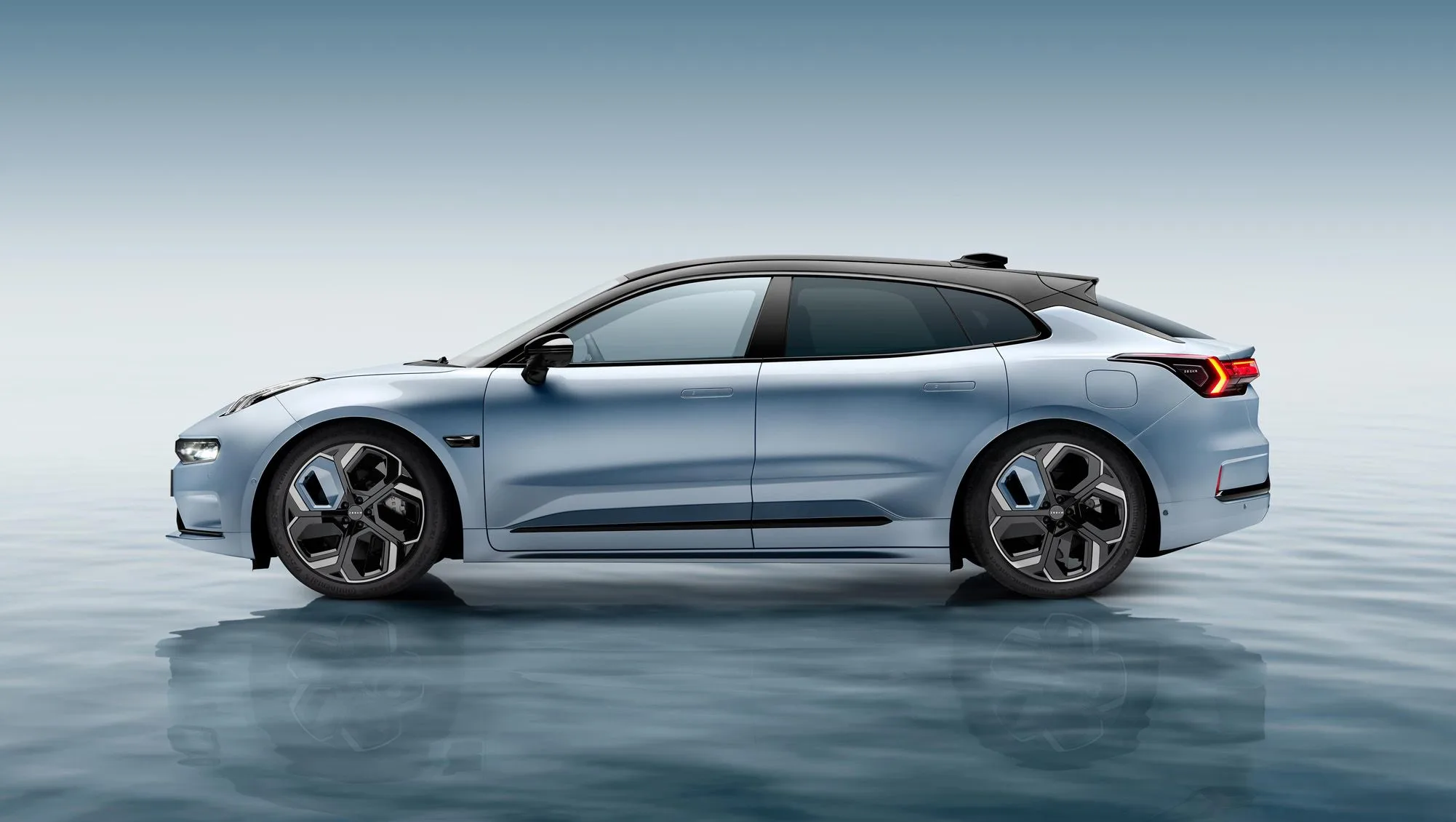
In recent years, China has continued to lead the world in innovation and manufacturing, particularly in the automotive sector. One of the most intriguing developments is the emergence of UV cars , or Ultraviolet Disinfection Vehicles — a cutting-edge fusion of mobility and health technology that reflects broader trends in business and consumer demand in post-pandemic China.
This article explores the latest business trends in China, with a special focus on the growing market for UV cars and how they fit into the country’s evolving economic landscape.
1. The Shift Toward Health-Tech Integration
One of the most significant trends in Chinese business today is the integration of health technology into everyday life . With increased awareness around hygiene and disease prevention — especially after the global pandemic — companies are investing heavily in solutions that combine convenience with safety.
UV cars are a prime example. These vehicles come equipped with ultraviolet-C (UVC) light systems designed to disinfect surfaces inside the car cabin. From taxis and ride-hailing services to private vehicles, UV disinfection is being adopted as a standard feature to reassure passengers about cleanliness and reduce the spread of pathogens.
- Key Drivers : Consumer demand for sanitization, government incentives for smart city initiatives, and rising investment in health-tech startups.
- Business Impact : Automotive manufacturers and tech firms are partnering to integrate UV systems into new models, creating a new revenue stream.
2. Electric Vehicle (EV) Dominance and UV Add-Ons
China remains the largest electric vehicle market in the world , with domestic brands like BYD, NIO, XPeng, and Li Auto leading the charge. As EV adoption continues to rise, companies are differentiating their offerings by adding innovative features — including UV sanitation systems .
Many new EVs in China now offer optional or built-in UV-C air purification and surface disinfection units. This trend is particularly popular among:
- Ride-hailing platforms like Didi
- Car-sharing services
- Luxury car buyers
Why it matters : In a competitive market, UV disinfection is becoming a value-added feature that enhances brand perception and customer loyalty.
3. Smart Cities and Connected Mobility
China’s push toward smart cities and connected infrastructure is another key trend shaping the UV car market. Municipal governments are increasingly adopting autonomous and semi-autonomous vehicles for public transport, logistics, and sanitation.
UV-equipped autonomous shuttles and delivery robots are already in use in cities like Shenzhen, Shanghai, and Beijing. These vehicles not only transport goods and people but also self-sanitize between uses , making them ideal for hospitals, schools, airports, and high-traffic urban areas.
- Government Support : Local authorities are funding pilot programs that include UV disinfection in public transportation.
- Tech Ecosystem Growth : Startups focusing on AI + UV disinfection are gaining traction and venture capital interest.
4. Rise of Aftermarket UV Solutions
While some UV features are factory-installed, there’s also a booming aftermarket for portable UV car sanitizers . Small businesses and entrepreneurs are capitalizing on this demand by producing affordable, plug-and-play UV devices that can be installed in any vehicle.
E-commerce platforms like Taobao, Tmall, and Pinduoduo are flooded with options ranging from dashboard-mounted UV lamps to full-cabin sterilization kits. These products are marketed toward families, taxi drivers, and delivery workers who want an extra layer of protection.
- Affordability and Accessibility : Prices start as low as $20 USD, making UV technology accessible to a wide audience.
- Marketing Strategy : Companies emphasize ease of use, energy efficiency, and child/pet safety.
5. Regulatory and Standardization Developments
As UV technology becomes more mainstream, the Chinese government is working to establish national standards and safety regulations for its use in vehicles. This includes guidelines on:
- UV exposure limits to protect human skin and eyes
- Certification processes for UV device manufacturers
- Integration protocols for OEMs (Original Equipment Manufacturers)
These efforts are helping build consumer trust and industry credibility , paving the way for broader adoption across sectors.
6. Partnerships Between Tech and Auto Industries
A major trend in China’s business environment is the increasing collaboration between automotive manufacturers and tech companies . For instance:
- Baidu Apollo has integrated UV disinfection into its autonomous driving platforms.
- Huawei HiCar is exploring ways to connect UV systems with smartphone apps for remote activation.
- Alibaba Cloud is offering data analytics tools to track usage patterns and maintenance schedules for UV-equipped fleets.
These partnerships are accelerating the development and commercialization of UV-enabled mobility solutions.
Conclusion: The Future of UV Cars in China
The rise of UV cars in China is more than just a niche trend — it reflects broader shifts in the country’s business ecosystem, including:
- A growing emphasis on health and wellness
- Rapid adoption of electric and autonomous vehicles
- Strong government support for innovation
- A thriving startup culture focused on solving real-world problems
As consumer expectations evolve and technology improves, UV disinfection is likely to become a standard feature in future vehicles , not just in China but globally.
For international businesses and investors, understanding and engaging with these trends offers opportunities to collaborate, innovate, and enter one of the world’s most dynamic markets.
Looking Ahead : The next phase of growth may involve AI-powered UV systems , real-time germ detection , and even integration with smart home ecosystems . As China continues to lead in both automotive and health-tech innovation, the UV car revolution is just getting started.
Are you considering entering the UV car market or exploring business opportunities in China? Stay ahead of the curve by keeping up with local trends, building strong partnerships, and prioritizing quality and compliance.